 MEMBERSHIP LOGIN
Industry Insights: NASA CEO Jeremy Croiset
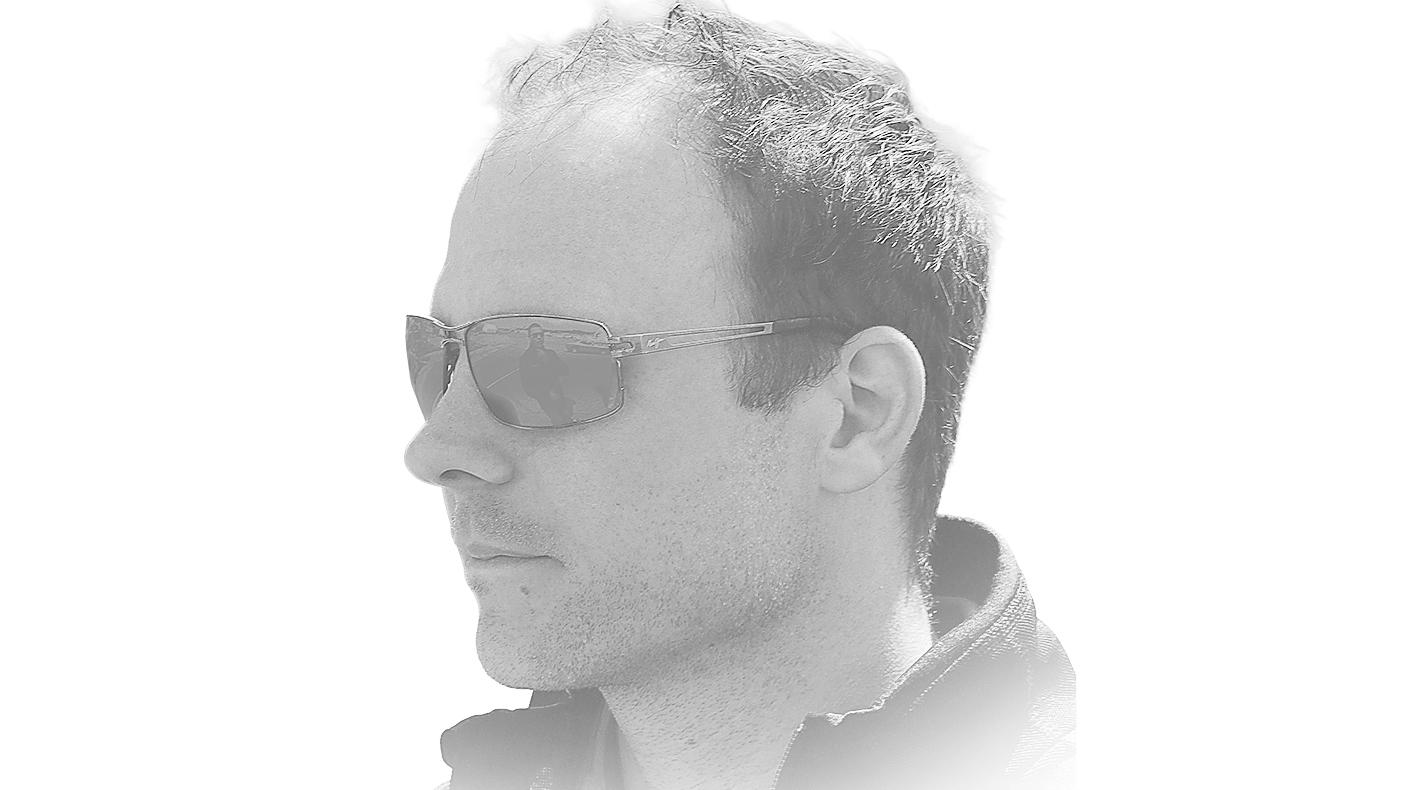
Jeremy Croiset didn't get to be chief executive officer (CEO) of the National Auto Sport Association (NASA) by coming from a suit-and-tie job at a corporation. He started as a participant and worked his way into the big chair. As he tells the story, he was racing with NASA, there was an opportunity to work in sponsorship and marketing, and he took it. Croiset took over as CEO from founder Jerry Kunzman in 2023, after serving as chief operating officer since 2018.
For those who aren't familiar, NASA is an amateur grassroots sports car racing association. However, unlike most of the other established sanctioning bodies, NASA is run as a business, not as a club. That's a subtle but important distinction from club-based organizations like the Sports Car Club of America, Porsche Club of America, or the Midwest Council of Sports Car Clubs. It means that Croiset is ultimately responsible for NASA's direction and success.
We caught up with Croiset for a deep dive into NASA's operations and prospects for the future.
PRI: How did you get to be president and CEO of NASA?
Croiset: I got my start with NASA back in 2005, so more than 20 years ago now. And it's a funny story. I was racing in NASA SoCal at the time, and I befriended Ryan Flaherty and John Lindsey, two of the owners. They took a liking to me and offered me a job to work with Ryan. And here I am, 20 years later, running the show.
I started doing sponsorship and marketing stuff and learning the ropes of the business. I was always super interested in motorsport. It was what I really wanted to do, but I had no idea how I was going to make that into a career. And that's one of the things that I try to share with people time and time again. All of us who are involved in motorsport are in it for one reason: It's the passion. I got to do something that I loved that was tied to the passion that I've always had in my life, and I turned it into a career. Twenty years later, I'm still intrigued, still doing something that is never the same every day. It's always something different.
PRI: I was around in the late 1980s when NASA was founded in California's Bay Area as an upstart racing league. How has the organization grown since that time?
Croiset: Now we have the entry level, which is autocross and High Performance Driver Education (HPDE), and then we have Time Trial (TT) and road racing, as well as enduro racing. But we're really focused on NASA's core competencies, which are being the industry leader in education on the HPDE side of things, and then moving people up, graduating them through our programs, whether they end up wanting to go down the path of being a driving instructor themselves, or they want to move up into Time Trial or road racing.
PRI: NASA was founded as a grassroots organization—run by racing drivers for themselves. Is it still that way, or has NASA changed as it has grown?
Croiset: I think so. I think every organization, as it matures, has to be worried about complacency creep, and we've had to combat that in NASA. The irony is that over the last 15 or 20 years, we've seen kind of an inversion of driving standards. NASA used to be one of the easiest places to go racing. Now, our driving standards have evolved to essentially lead the industry with requirements, which is maybe not to the betterment of NASA's ability to bring new people in. I'm not speaking ill of any other groups that choose to operate in this fashion, but there are a lot of places around the country where you don't need any experience whatsoever.
PRI: Are there any other ways that NASA is different now that it has multiple programs?
Croiset: We made a fairly significant change to our executive appeals process a couple of years ago to really go back to our roots. If you don't agree with a decision made by a NASA official at a NASA event, you can file an executive appeal, and you can have that appeal heard by a jury of your peers at the event. That's really going back to exactly what you said, keeping it more grassroots and keeping it more dealing with things on the ground floor. We're trying to make it so the happenings at the event are more accountable to the event itself. I think that whole community aspect is a big driver of how well a region is going to do.
To read the full article, plus hundreds of other articles like it, for free, sign up for a digital subscription to PRI Magazine on Zinio here.
Once you download the Zinio mobile app or are logged into Zinio on a desktop browser, you will gain immediate access to more than a year's worth of content, including this article here and additional coverage in the March/April 2026 issue here.